
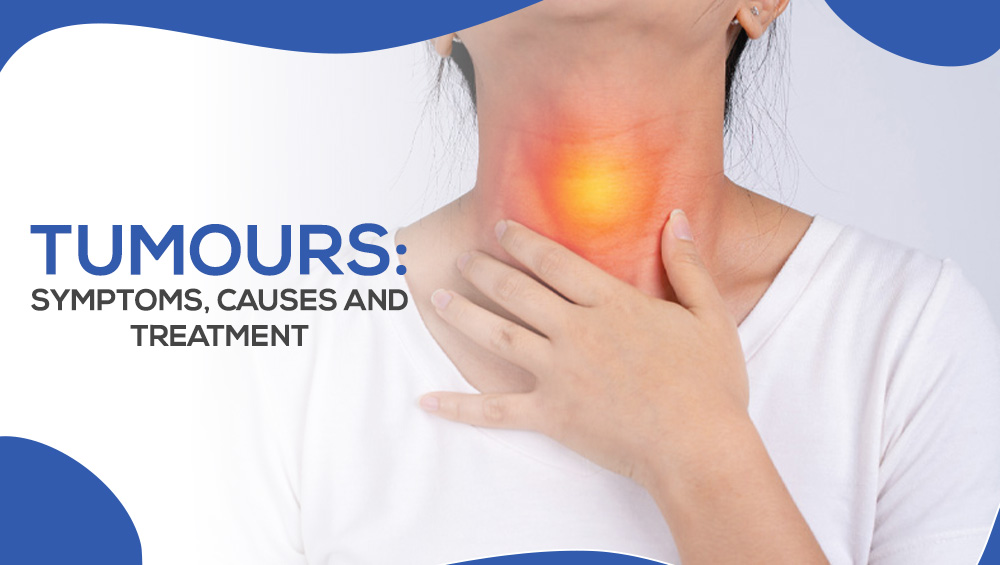
Locally very advanced oral cancer (Stage 4B) refers to tumours that are large and have invaded deep, critical structures such as the skull base bones, internal carotid artery, or deep facial spaces (masticator space). These cancers are complex to treat and often require a multimodal approach, including surgery, radiation, and chemotherapy, to achieve disease control.
Although survival rates are lower in Stage 4B disease, advances in reconstructive surgery and novel therapies are improving functional and oncological outcomes.
Surgery for Locally Very Advanced Oral Cancer (Stage 4B)
Infratemporal Fossa (ITF) Clearance
Infratemporal fossa (ITF) clearance is a highly specialized surgical procedure that involves compartmental removal of all soft tissue and bony structures within the infratemporal fossa to achieve oncologic control in advanced head and neck malignancies.
The infratemporal fossa is a complex anatomical region that serves as a vital conduit for neurovascular structures between the brain and the face.
Standard ITF clearance involves removal of:
- Muscles
- Veins and arteries
- Nerves and their sensory branches
Sub-Compartmentalization Framework
The infratemporal fossa is divided into three primary compartments and several sub-compartments based on anatomical structures and imaging findings.
Compartment 1: Low ITF
- Prognosis: Generally considered “surgeon-friendly”
- Associated with favourable surgical outcomes
Compartment 2: Anterior High ITF
- Prognosis: Clinical outcomes comparable to Low ITF (Compartment 1)
- Often resectable with favourable outcomes
Compartment 3: Posterior High ITF
- Further subdivided into 3a, 3b, and 3c
- Compartment 3c shows the poorest response and highest rates of disease progression
Survival Outcomes
- No significant difference in progression-free survival (PFS) between Compartments 1 and 2
- Compartment 3, particularly 3a and 3c, demonstrates significantly worse survival outcomes
Management Strategy
- Involvement of Compartments 3a, 3b, or 3c often requires neoadjuvant chemotherapy to downstage the tumour before attempting surgery
- Disease limited to Compartments 1 or 2 may be considered for upfront surgery and generally has better survival after resection
Indications for ITF Clearance
ITF clearance is primarily indicated for advanced malignant tumours that originate within or invade the infratemporal fossa.
Common Indications Include:
- Advanced Oral Cavity Cancer (T4b):Especially gingivo-buccal complex cancers extending into the masticator space
- Sinonasal Malignancies:Maxillary sinus tumours extending through the posterior wall into the pterygopalatine and infratemporal fossae
- Nasopharyngeal Carcinoma:Recurrent or extensive disease involving the lateral skull base
- Skull Base Tumours:Chordomas, chondrosarcomas, or glomus tumours encroaching upon the ITF
ITF clearance may offer a curative option for patients who would otherwise be limited to palliative care.
Complications and Rehabilitation
Due to the extensive nature of ITF clearance, significant functional and aesthetic changes may occur.
Common Complications
- Trismus: Severe jaw stiffness due to removal or scarring of masticatory muscles
- Neurosensory Loss: Numbness of the tongue, gums, and face following sacrifice of V3 branches
- Facial and Dental Changes: Jaw deviation following mandibular condylectomy
- Reconstruction: Large defects often require microvascular free flap reconstruction to fill dead space and protect exposed structures such as the internal carotid artery or dura
Rehabilitation After ITF Clearance
1. Trismus (Jaw Stiffness) Management
Trismus is a hallmark complication following ITF clearance.
- Preventive Exercises:Massage and circular motion exercises for the masseter muscles are encouraged preoperatively or soon after initial healing
- Active and Passive Stretching:Includes mouth opening for 10-second intervals and side-to-side jaw movements
- Mechanical Devices:Devices such as TheraBite or TrisCaRe provide controlled jaw stretching and can improve mouth opening by 5–10 mm, even in severe cases
2. Swallowing and Nutrition
Swallowing is often affected due to proximity of the ITF to pharyngeal muscles and tongue nerves.
- Dietary Progression:Begins with nasogastric tube feeding, followed by thickened liquids and gradual transition to a regular diet based on videofluoroscopic assessment
- Swallowing Therapy:Techniques include the Chin-Tuck Maneuver (airway protection) and the Mendelsohn Maneuver (strengthening swallowing muscles)
- Electrical Stimulation:Neuromuscular electrical stimulation may be used to support swallowing rehabilitation
3. Speech and Facial Nerve Rehabilitation
- Articulation Exercises:Speech-language pathologists focus on improving speech intelligibility through targeted exercises
- Nerve Grafts:Secondary surgical procedures may be performed if the facial nerve is sacrificed to restore facial tone and symmetry
4. Early Mobilization and General Recovery
- Immediate Postoperative Period (First 24–48 Hours):Bed rest for flap monitoring, followed by assisted sitting and deep-breathing exercises
- Hospital Stay:Typically 6–8 days, until patients regain independent mobility and oral hygiene control
- Long-Term Surveillance:Regular follow-ups every 3–6 months, including MRI or CT scans, to monitor recurrence and adjust rehabilitation or pain management
Conclusion
Despite its complexity and associated risks, infratemporal fossa clearance provides a viable pathway for local disease control in selected patients with locally very advanced oral cancer. Studies demonstrate improved disease-free survivalwhen negative surgical margins are achieved.
Suggested YouTube Video Links
- https://youtu.be/-5pT1Od2XoQ
- https://youtu.be/strSLS8RIcE
- https://youtu.be/Ls4yHx9_sq0
- https://youtu.be/k5kSB23aB3E
- https://youtu.be/P3xmJU8XRH0